
The Challenge
Home Depot’s recent earnings and revenue miss, the first in over a decade, wasn’t about consumer abandonment. It was about timing. Homeowners, faced with high mortgage rates and economic uncertainty, are deferring big remodels. But deferral is not decline. People still need to maintain, repair, and refresh their homes. Contractors continue to build, and daily upkeep continues.
This isn’t a failure, it’s a window for innovation.
1. Strengthen the Pro Ecosystem
Home Depot has already leaned into its Pro segment, with acquisitions like SRS Distribution and GMS. But the opportunity goes beyond selling materials. Home Depot could become the operating system for contractors:
- Project Management Platforms: Think about how Shopify powers merchants. Home Depot could power builders with integrated scheduling, supply ordering, and cost tracking.
- AI-Driven Logistics: Similar to how Amazon flexes its supply chain for same-day delivery, Home Depot could offer predictive inventory management for contractors, ensuring that materials arrive when needed.
- Financing Tools: Just as Klarna and Affirm transformed retail payments, Home Depot could extend micro-financing for projects, helping contractors and homeowners alike (not the Home Depot Credit Card with a 29.99% variable APR — no one wants that, but something more akin to PayPal or Amazon’s “pay over X months with 0 interest.”)
By creating a digital-first contractor hub, Home Depot embeds itself in every step of the building cycle.
2. Focus on Everyday Home Care
When remodels are delayed, smaller projects thrive. Consumers want quick, affordable wins. Home Depot can package these as turnkey solutions:
- “Weekend Paint Refresh” Kits with paint, rollers, drop cloths, and color-matching app integration.
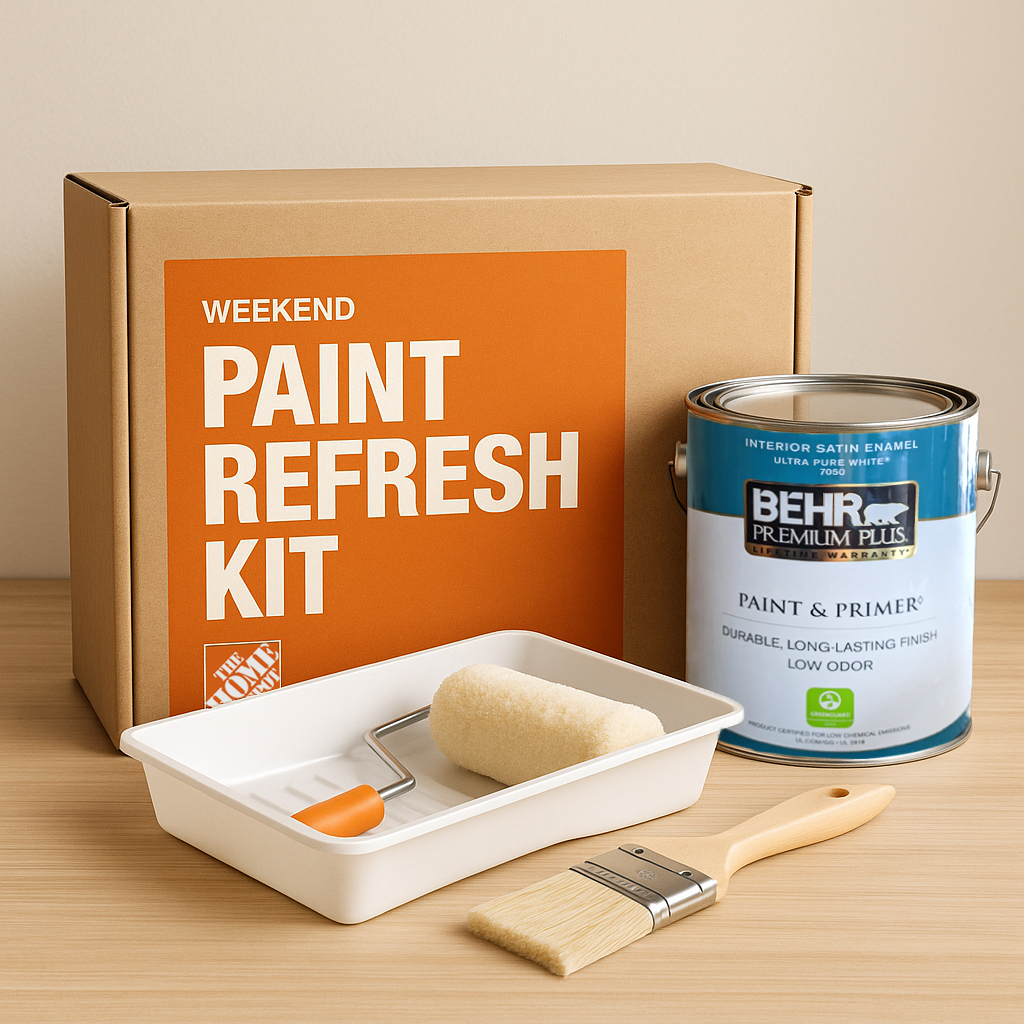
- Plumbing and Electrical Quick-Fix Bundles (e.g., “Leaky Sink Kit” or “Light Switch Swap”).
- Sustainable Living Packs with filters, compost bins, and smart thermostats.
We’ve seen this work in other industries: HelloFresh turned recipes into meal kits. Why not turn DIY tutorials into Home Care Kits? It transforms Home Depot from a parts supplier into a solution provider.
3. Scale AI and Digital Tools
Home Depot’s “Magic Apron” AI tool is a step forward, but AI has much more to offer. Imagine:
- AI DIY Coach: A model trained on repair manuals, user manuals, and YouTube tutorials, guiding homeowners through projects with voice or AR overlay. (Think Duolingo meets home repair.)
- Pro Estimator AI: Similar to Figma’s AI design tools or AutoDesk’s AI modeling, contractors could generate quotes, materials lists, and timelines automatically.
Or … let’s go big. AI Landscape Generator: Designing Outdoors with Ease
While Home Depot’s Room Visualizer focuses on interior spaces, outdoor design is often more overwhelming for homeowners. Choosing plants, planning hardscaping, and visualizing yard transformations are difficult because they change with seasons, sunlight, and climate.
Opportunity:
- Customers could upload a photo (or use their phone camera) to scan their yard.
- An AI landscape generator, trained on climate data, local plant varieties, and outdoor design catalogs, could instantly suggest layouts.
Examples:
- Replace grass with drought-friendly landscaping.
- Add a firepit area with seating.
- Show how trees will look as they grow over 5–10 years.
- or … Show me a low cost way to landscape my yard.
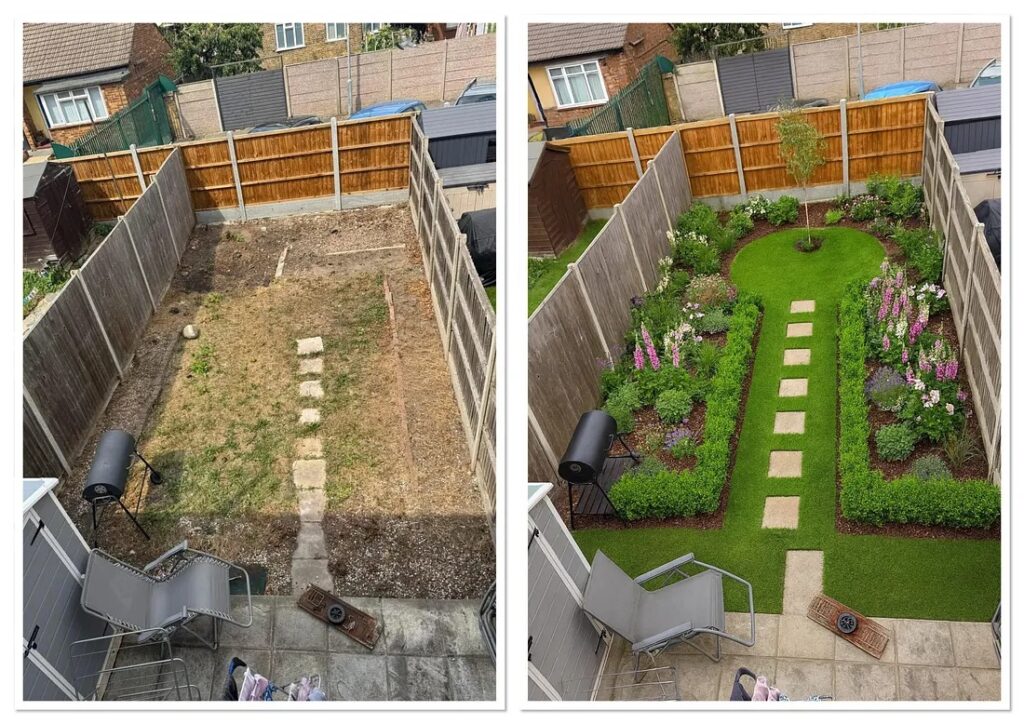
It could even integrate with Home Depot’s product catalog to show costs, required tools, and a “Buy All” cart option.
Comparable Models:
- ChatGPT: text-to-image landscaping previews.
- IKEA Place (AR): lets users drop furniture into spaces.
- Adobe Firefly / MidJourney: generative fills for custom variations.
- Landscape design SaaS apps (e.g., Yardzen, Tilly): provide human-designed outdoor plans, but Home Depot could democratize this at scale with AI.
Why It Works:
- Most homeowners don’t know where to start with yard projects.
- Landscaping is a repeat revenue driver (plants, mulch, patio stones, seasonal decor).
- An AI-driven tool makes the process approachable, inspiring, and shoppable.
This would position Home Depot as not just a place to buy mulch, but as the AI partner for envisioning a dream backyard.
AI is no longer just about automation, it’s about confidence. Giving consumers the confidence to take on projects means more completed purchases.
4. Build Subscription and Membership Models
Recurring revenue transforms cyclical industries. Look at:
- Peloton: turned hardware into recurring software and community.
- Costco: 70% of profits come from memberships, not retail margins.
- Adobe Creative Cloud: predictable subscription income, higher lifetime value.
For Home Depot:
- Home Care Subscription: Monthly delivery of air filters, cleaning products, and seasonal garden supplies.
- Pro Loyalty Subscriptions: Tiered discounts, guaranteed delivery slots, or exclusive product bundles.
- Emergency Kits on Subscription: Generators, batteries, and weather-prep essentials tied to local climate alerts.
Subscriptions turn seasonal shoppers into year-round customers.
5. Elevate Domestic Sourcing as a Brand Promise
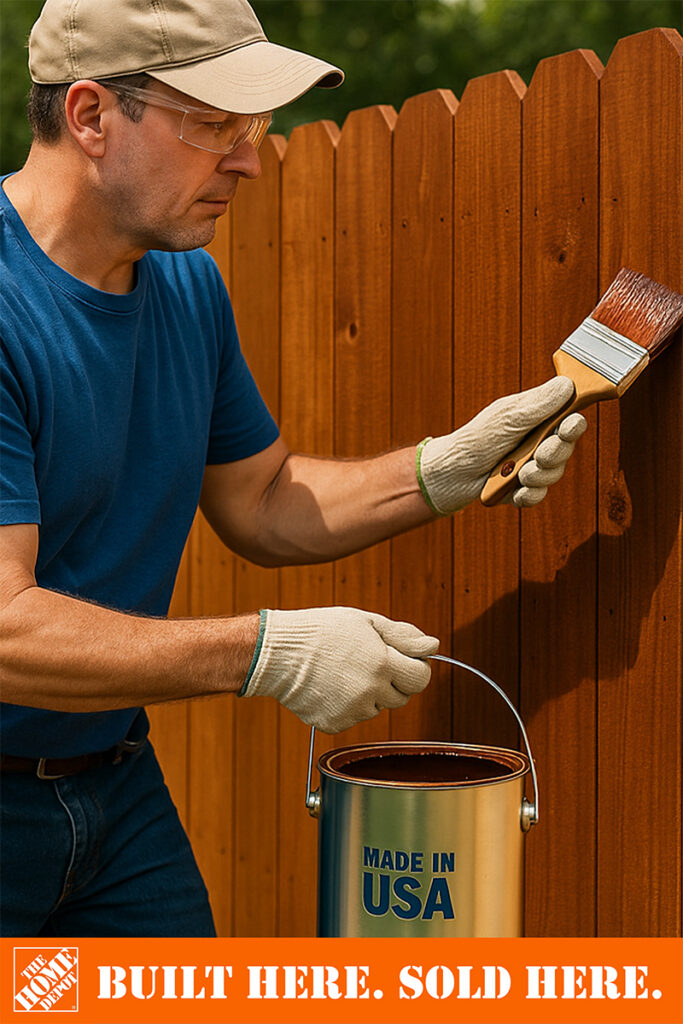 Amid tariff risks and supply chain volatility, Home Depot’s domestic sourcing strategy is a hidden advantage. Elevating this into a brand pillar could differentiate them:
- “Built Here. Sold Here.” Campaign: Much like Patagonia’s sustainability pledge, Home Depot could highlight American-made reliability.
- Transparency Dashboards: Inspired by Everlane’s “Radical Transparency,” HD could show sourcing and pricing breakdowns online, creating trust at scale.
When consumers are cautious, trust and predictability become their highest values.
The Bigger Picture
This moment isn’t just about weathering a frozen housing market. It’s about redefining what “home improvement” means in 2025 and beyond, especially in this challenging economic climate.
- For contractors, Home Depot can be the digital backbone.
- For homeowners, it can be the subscription service for peace of mind.
- For consumers, it can be the trusted, transparent retailer in an uncertain economy.
- For not-so-green thumbs like me, an understanding landscaper.
Home Depot has the chance to become not just a place you shop, but a platform you rely on. And if Home Depot isn’t interested, these ideas can always walk down the block to Lowes.
Disclaimer: I am not affiliated with The Home Depot. The ideas shared are my independent concepts for discussion and innovation purposes only. This I what I do, product innovation. I find ways that businesses can expand their offerings and delight their users and customers. All trademarks, logos, and brand names are the property of their respective owners.