
I’ve seen a lot of people say that they wish AI was never invented. Those people tend to only see things like Midjourney (AI Art), “Rewrite with AI” prompts, and AI slop posts. They don’t know about the amazing things AI has enabled us to do. The true benefit of AI isn’t that it does things human does it’s that it does things humans can’t do, or does things exponentially faster than humans can.
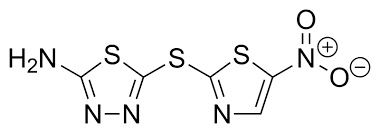
1. AI-Discovered Antibiotic: Halicin
In 2020, researchers at MIT’s Jameel Clinic used deep learning to discover Halicin, the first new antibiotic in 30 years (originally targeted for diabetes). It can kill drug-resistant pathogens like C. difficile, A. baumannii, and M. tuberculosis. What’s more, the discovery process took just three days via AI-guided screening.
Learn more: https://www.youtube.com/watch?v=piPBHJZ-jf8 (new tab)
2. AI-Designed Antibiotic: Abaucin
More recently, in May 2023, the same MIT clinic leveraged AI to discover Abaucin, an antibiotic targeting Acinetobacter baumannii, one of the deadliest superbugs identified by the WHO. I believe that as super bugs become more common AI will play an even larger part in combating them.
Learn more: https://www.nature.com/articles/s41589-023-01349-8 (new tab)
3. Nobel-Winning Protein Structure Prediction with AlphaFold
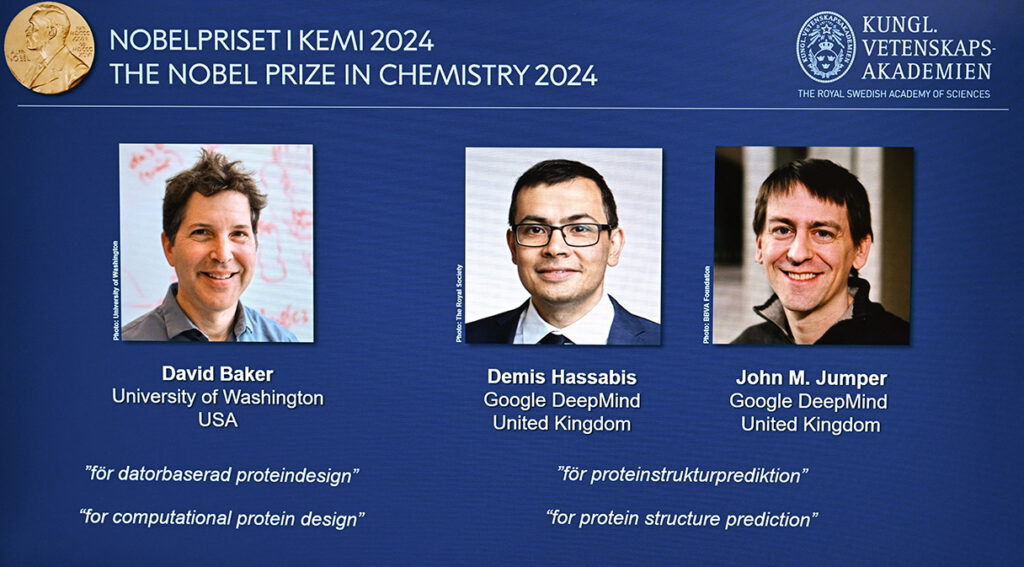
In 2024, the Nobel Prize in Chemistry recognized Demis Hassabis, John Jumper, and David Baker for AI-powered work in protein structure prediction and design. DeepMind’s AlphaFold accelerated understanding of protein structures, enabling faster drug development, vaccine design, and scientific discovery. Why is protein folding important? Protein folding failure or misfolding is linked to Alzheimer’s, Parkinson’s and many forms of cancer. What is protein folding, think of it like a piece of paper and how that can turn into a paper crane, for that to work the paper has to be folded a specific way, if it isn’t, it doesn’t become the crane.
Learn more: https://www.nobelprize.org/prizes/chemistry/2024/press-release/ (new tab)
4. AI Detecting Breast Cancer from Imaging
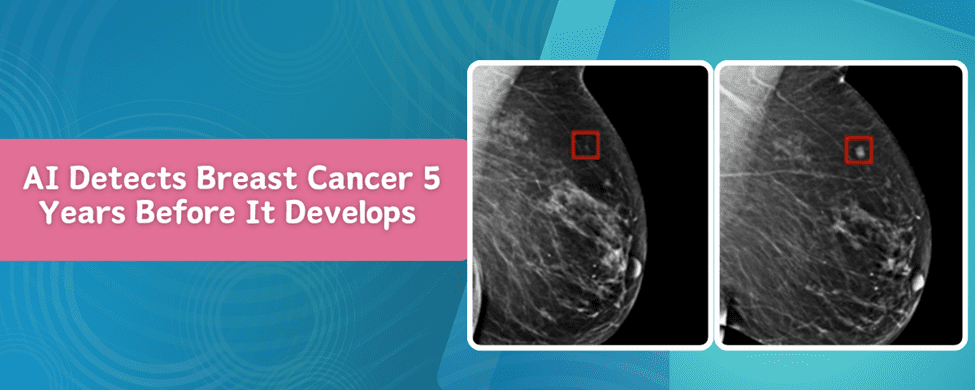
MIT’s Regina Barzilay co-developed Mirai, a system capable of predicting breast cancer up to five years in advance using mammograms and diagnostic notes. AI models can flag subtle signs of breast cancer that radiologists may miss, including cancers that appear between screenings, this has the potential to reduce late detection of some cancers by over 30%.
MRI Detection: A convolutional neural network (CNN) detected cancers in MRIs up to one year before radiologists could. This is critical for women with dense breasts where MRIs can be superior to mammograms. And the first AI platform, Clairity Breast, received FDA authorization to predict a woman’s risk of developing breast cancer within five years using just a standard mammogram.
5. AI Smart Stethoscope enables Heart Condition Detection
At the 2025 European Society of Cardiology Congress, researchers unveiled an AI-powered stethoscope that diagnoses serious heart conditions in just 15 seconds by analyzing ECG and heart sound data. While this still needs to be paired with someone with extensive cardiology knowledge, this is a huge step in the right direction for early detection.
Learn more: https://www.theguardian.com/technology/2025/aug/30/doctors-ai-stethoscope-heart-disease-london (new tab)
So, where would we be without AI?
Without these breakthroughs, many of these discoveries would be much slower or even impossible. From next-generation antibiotics and early cancer detection to rapid heart diagnosis and protein modeling, AI is redefining the frontier of healthcare and biology itself.
We can’t even imagine what will happen next.